I recently attended a meeting with Bishop Shomali who is the Auxiliary Bishop of the Latin Patriarchate of Jerusalem. He spoke passionately of the suffering of Christian communities across the Holy Land, as well as the horrors of the war in Gaza and the violence in the West Bank. Life for Palestinian Christians in Israel is a daily challenge as they are treated as second class citizens by the government. Several times he said, ‘What we need in this age are courageous leaders.’
I was privileged to live in Bethany for a few months twenty-five years ago, before the uprising in the same year. At that time, before the intifada, there was an uneasy peace that cried out for justice. It was easy to imagine that something would snap, and violence would return. Why? Because peace without justice cannot endure.
However, there is hope! There are people who will stand up and speak the Truth of the Gospel, people like the Latin Patriarch Cardinal Pizzaballa who said in his Lenten Address to the faithful of the Holy Land:
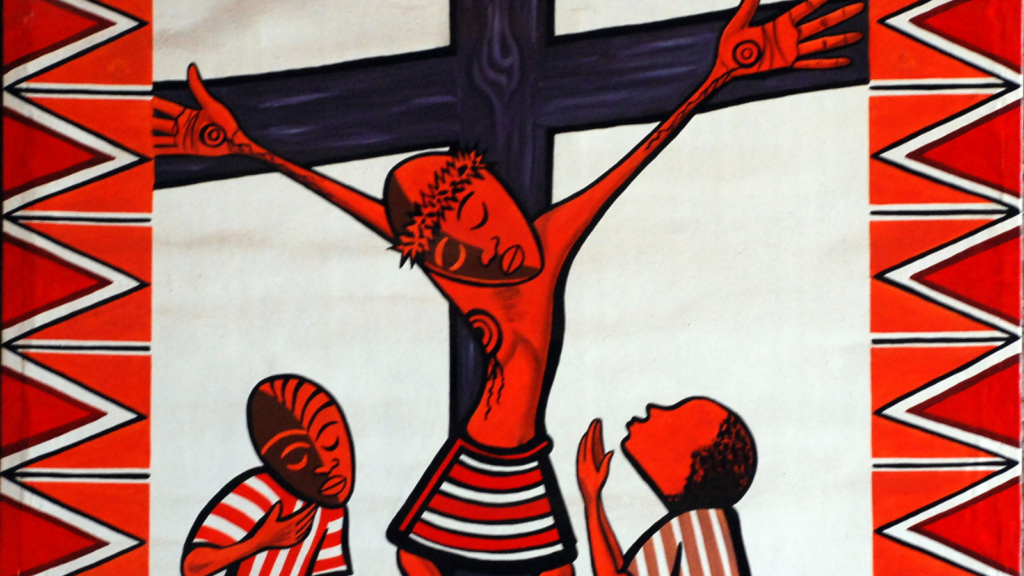
‘Violent words of rancour and hatred, the presumptuous speeches of conflict and recrimination cannot prevent God from speaking the word of reconciliation in Christ,’ and quoting a 10th Century hymn, ‘O hail the Cross, our only hope!’
First five Gospels of Lent
Throughout history God has raised up courageous prophets, priests and leaders who understood the Truth of the Gospel that calls us to resist the temptation to power, wealth, and glory; to listen deeply to God’s words; to embrace God’s patient hope for us; and to reflect God’s compassion and unconditional forgiveness in our dealings with each other.
These are the very five themes of the first five Sunday Gospels of Lent this year and offer us all a way out of the quagmire of conflict and injustice in which the world is now drowning.
Conflict, however violent and deep-seated it might be, does not have to have the last word. The way out of conflicts that are always and everywhere complex is never by offering a simple solution. The way out is the Way of the Cross, which involves suffering at every stage, leading to lasting reconciliation.
Reconciliation, be that between two people, two ethnic or religious groups, even two or more nations, requires a willingness to forgive at the very deepest level of our being. It calls for a rejection of the use of power in all its forms; an openness to listen deeply to God and the other; to hold onto a hope that does not disappoint; to be able to feel the suffering of others; and to forgive without conditions.
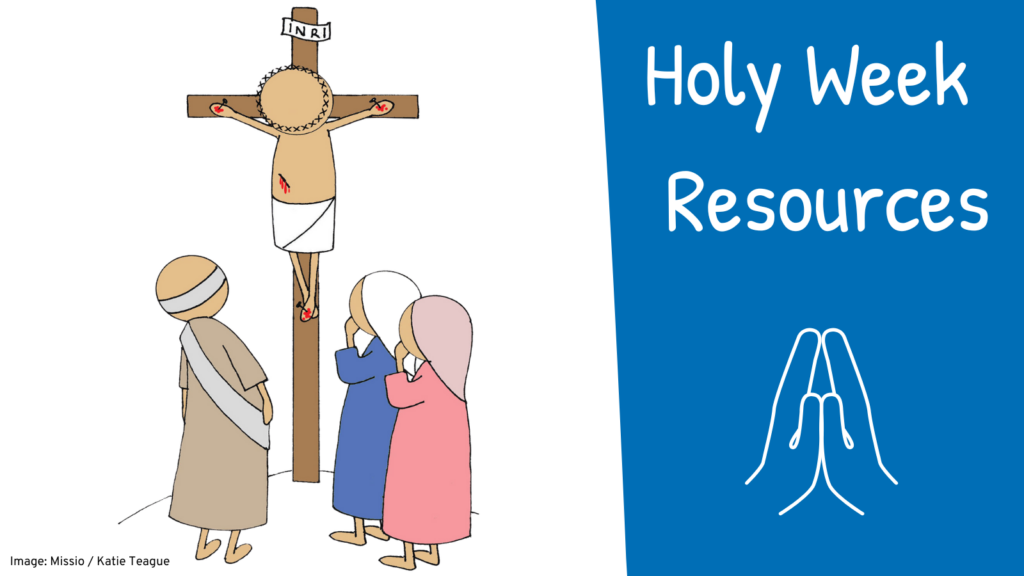
These are Gospel values Jesus taught and lived by, even unto death, death on the Cross. The evil ways of men and women, as well as death itself, did not have their way, for beyond the horror of the Cross there is Resurrection, the triumph of the hope that does not disappoint.
Sharing God’s hope
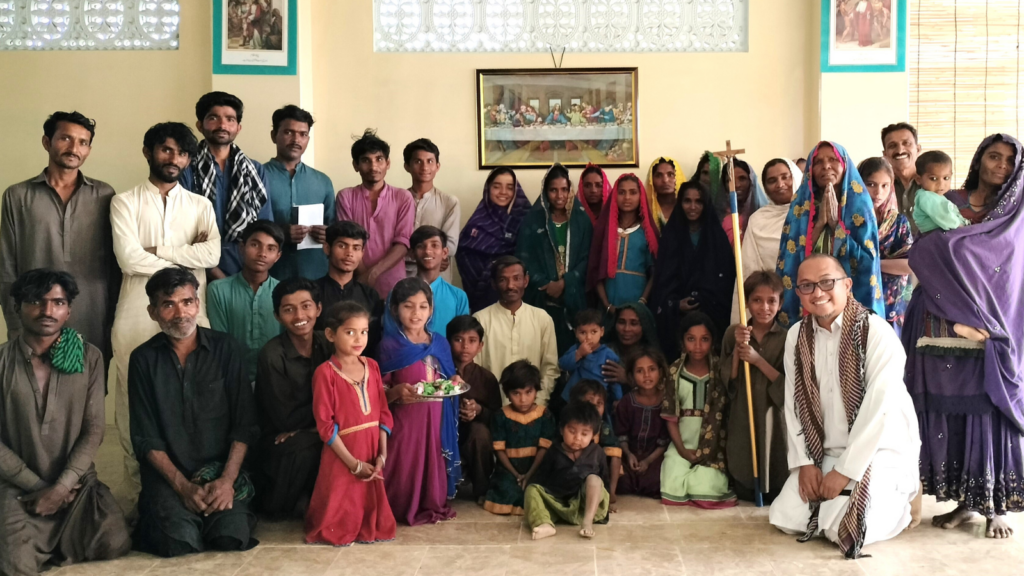
We can take some comfort by the fact that, through Missio, you and I are playing some small part in sharing God’s hope with Christian communities in Israel, Jordan, Lebanon and Palestine. Even in the worst situations there are always compassionate people to be found at a local level who have the courage to live the Gospel life, and work towards reconciliation.
We also remember the people of Myanmar who, already suffering the violence of civil war, now have to face the natural violence of the earthquake. We pray for peace and an outpouring of compassion from the rest of the world.
Let us ask God to raise up courageous leaders who on the Way of the Cross will speak truth to power and offer the hope that does not disappoint.
Let us pray:
O hail the Cross, our only hope in this Passiontide.
Grant an increase of grace to believers
And remove the sins of the guilty.
May God continue to bless you on your Lenten journey to the joys of Easter.